A sacred attribution beside the Siab
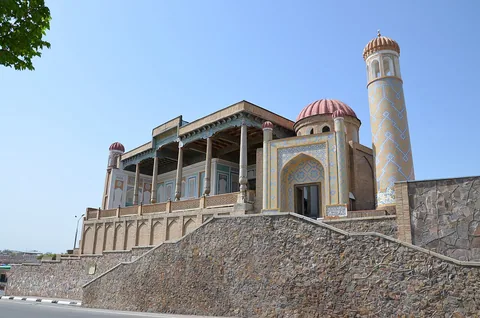
The Tomb of Daniel, or Khoja Daniyar, in Samarkand, Uzbekistan, stands near the Siab watercourse at the edge of ancient Afrasiab. Visitors associate it with Daniel, a figure honoured in Jewish and Christian tradition and venerated locally by Muslims. Its most conspicuous interior feature is an exceptionally long grave marker, described by the national tourism authority as eighteen metres.
The shrine's traditions matter, but they should not be mistaken for a documented journey of the biblical figure's remains. One legend says Timur brought relics from Susa to protect his capital. The present mausoleum is much later, dating to the beginning of the twentieth century and subsequently reconstructed. Look at the building as a place made to accommodate and honour a local tradition of burial.
Three names do not settle a biography
Daniel's name appears in different forms across religious traditions. That gives this shrine a broad set of associations, but it does not mean every visitor arrives with the same understanding of the person commemorated here.
The heritage directorate records another identification in the nineteenth-century local history Samariya: Daniyar as a companion of Qutham ibn Abbas, the figure associated with Shah-i Zinda. That account belongs to a different historical setting from the biblical Daniel.
The precise historical identity of the burial remains uncertain. These different identifications have become part of the shrine's history.
Why Timur enters the story
The best-known legend connects the shrine with Timur's campaigns. In the tourism authority's version, he could not overcome Susa because Daniel's relics protected the city. He negotiated to take part of them to Samarkand, bringing their blessing to his own capital.
The story explains the journey of the relics through their protective power. Timur wanted the blessing associated with one city to reach his own capital.
A long marker in a later building
The length of the grave marker can dominate a visit. It belongs to the shrine's commemorative form; it should not be read as the height of a person buried beneath it.
The current building dates to the early twentieth century and has been reconstructed several times. The shrine's religious traditions are older than this shelter for the marker.
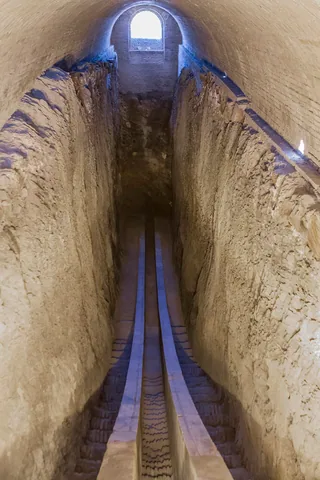
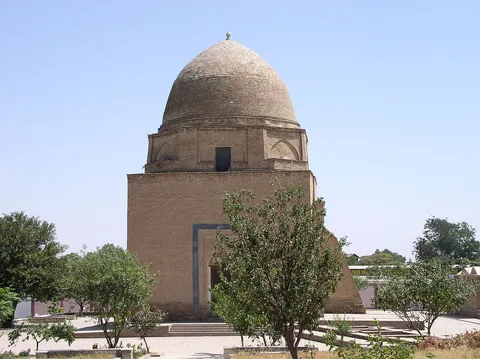
The nearby spring also has a place in the site's sacred reputation. Its healing associations belong to belief. The setting beside the watercourse and the length of the marker give this shrine a physical character quite different from Samarkand's domed dynastic tombs.
 🇺🇿
🇺🇿 🕌
🕌 🕌
🕌 🕌
🕌 🔭
🔭 🏺
🏺 🕌
🕌 🕌
🕌 🧺
🧺 🕌
🕌