A burial chapel beside the cathedral
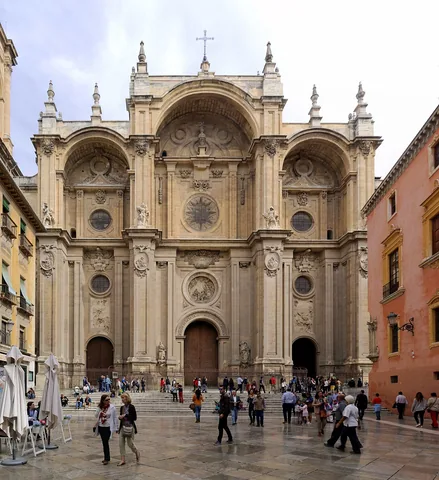
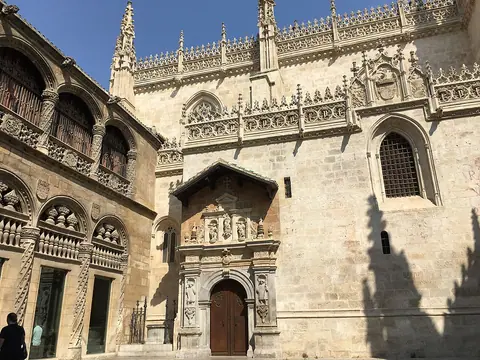
The Royal Chapel of Granada in Spain was founded for Isabella of Castile and Ferdinand of Aragon, the rulers often called the Catholic Monarchs. It stands beside Granada Cathedral but has its own purpose: royal burial and continuing prayers for the dead.
Its most visible memorials are carved marble tombs. The bodies lie below, in the much plainer crypt. That distinction gives you a useful way to look at the chapel. Above ground, sculpture presents royal identity and religious belief to an audience. Beneath it, coffins hold the actual remains.
The foundation dates to 1504, but the building and its burials were not completed at once. Isabella and Ferdinand initially rested in the Franciscan convent at the Alhambra. Their remains were moved to the Royal Chapel in 1521, under their grandson Charles.
Why keep prayers going?
The foundation charter asked for masses, anniversaries and prayers after the monarchs' deaths. The chapel was therefore intended as an active religious institution, with duties that outlasted the founders. The tombs stood within that continuing programme, rather than serving only as sculptures to be admired.
The choice of Granada also placed the rulers' memorial in the city they had conquered in 1492. The chapel presents their dynasty through Christian worship and royal imagery. It is useful to recognise that this is a particular institution's commemoration, not a complete account of everyone affected by their rule.
The foundation, architectural commission and arrival of the bodies belong to separate stages. Keeping them apart makes sense of a place where several dates are attached to the same royal couple.
The images the rulers left behind
Domenico Fancelli completed Isabella and Ferdinand's marble monument in 1517. The recumbent figures give the king a military appearance and the queen a different, more restrained presentation. Religious figures and royal emblems add meanings beyond a likeness of two faces.
Joanna I and Philip I have a second elaborate monument. Compare how the two pairs are presented rather than assuming that one sculptural scheme covers the whole family. Materials, clothing and the height of a figure above the floor can all shape a royal memorial's effect.
The crypt makes a sharper comparison. Its coffins occupy a modest space beneath the display above. If that part is accessible during your visit, allow the difference in scale to register. You are seeing two related functions of the chapel: a public image of royal memory and a place of burial. Check the chapel's current visit rules before planning around access to any particular area.