Two architects, a changed direction
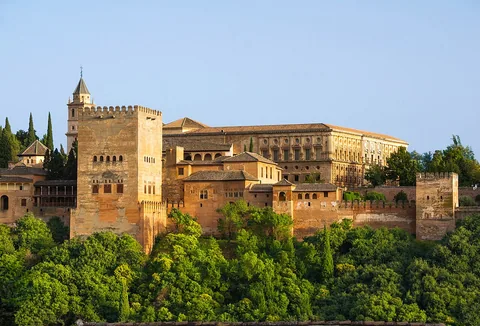
Granada Cathedral stands in the lower city, west of the Alhambra. Its construction began with the late Gothic design of Enrique Egas in the 1520s. When Diego de Siloe took charge in 1528, he used those foundations to develop a Renaissance cathedral with classical forms and a striking circular main chapel.
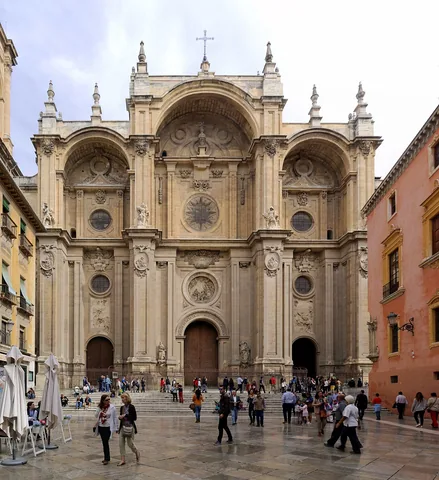
The main facade belongs to a later stage. Alonso Cano designed it in 1667, and other masters carried the work forward after his death. Its three enormous arches give a clear beginning to an exterior visit, even if you cannot enter.
This long sequence is the key to the building. The cathedral was not a single architect's design completed without interruption. Plans, patrons and available resources changed, while new builders had to work with stone already in place.
A circle at the head of the church
Inside, where admission allows, the main chapel changes the geometry of the space. The long nave opens towards Siloe's great rotunda through a substantial arch. Look at how that round volume gathers attention at the far end of the church.
Siloe had to connect the circular head with the basilican body and the inherited building footprint. The result is more specific than a general label such as Renaissance architecture. Different shapes had to accommodate movement, worship and the visual importance of the altar.
Columns, arches and the division of the upper walls help establish the scale. Rather than attempting to identify every decorative feature at once, compare the repeated supports along the nave with the concentrated effect of the main chapel. The change in arrangement gives the interior its direction.
The facade came much later
Cano's facade uses three deep arches separated by powerful vertical supports. Their recesses make shadow part of the design. From the public square, notice how the central arch rises above its neighbours and how the stone front sets a rhythm without relying only on surface carving.
The facade continued to change as successors executed and finished it. Cano died in the same year as his appointment, so calling the whole completed front his personal work would hide the people who followed him. Their contribution belongs to the same long building history as Siloe's change to the earlier plan.
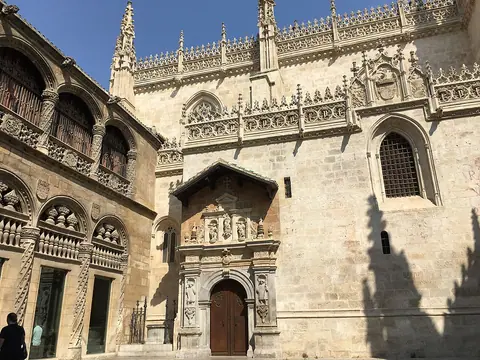
The Royal Chapel stands beside the cathedral and is worth treating as its own place. A common location does not make the two interiors interchangeable or their entry arrangements identical. Choose which story interests you, check current access, and keep the main facade in view as a record of how this church was completed over generations.