The low walls belonged to something much larger
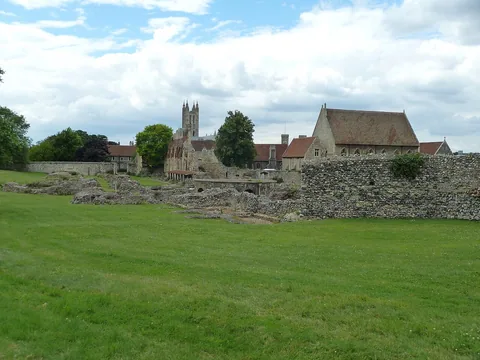
St Augustine's Abbey lies east of central Canterbury. Its surviving ruins can seem modest beside the cathedral, but they belonged to a major monastery with churches, working buildings, gardens and a community devoted to worship and learning.
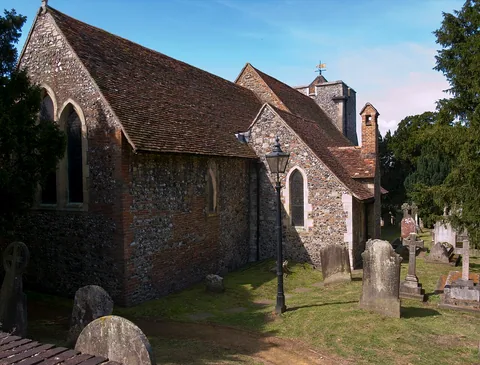
The abbey was founded around 598, following Augustine's mission from Rome in 597. King Ethelberht granted land outside the city walls. The nearby church of St Martin's, where Queen Bertha already worshipped, connected the new foundation with a Christian presence that preceded the mission.
Begin by treating the low walls as a plan rather than a picturesque collection of fragments. They mark spaces that once had height, roofs and separate jobs within a much larger institution.
Churches replaced earlier churches
The early monastery developed more than one church. Later Norman rebuilding brought the earlier structures into a much larger architectural scheme. What survives therefore does not all belong to Augustine's lifetime.
That distinction matters when looking at the ground. An early foundation can remain historically important even when later builders replace most of its architecture. The monastery continued to honour its founder while changing the buildings around his memory.
Learning also gave the abbey a wider influence. Its manuscript production and scholarship connected this community with places well beyond Kent. The missing rooms were not empty space between monuments; they supported the everyday work that made such activity possible.