The city turns the volume up
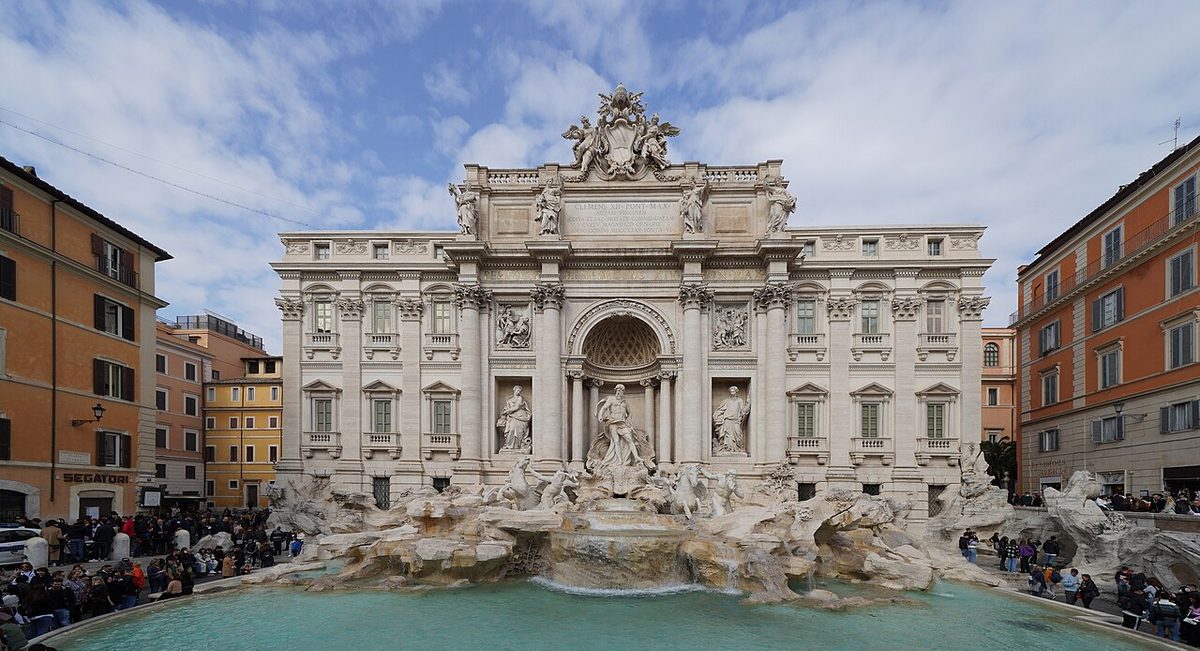
Before the Trevi Fountain becomes a photograph, it becomes a sound. Water pours across a stone scene set against Palazzo Poli. The eighteenth-century design by Nicola Salvi turns the end of an aqueduct into something like an outdoor stage.
Look at the central figure: Oceanus, riding a shell-shaped chariot. Below him, horses and tritons make the water seem to burst into the square. One horse is calmer, the other more restless. The contrast gives the scene its energy.
The fountain is linked to the ancient Aqua Virgo water supply. So behind the drama is something wonderfully practical: a city bringing in water.
The coin-toss tradition says a coin promises a return to Rome. Treat it as a tradition, not a guarantee. Your real souvenir can be simpler: listen, find the two horses, and notice the theatre in the stone.
Read the scene, not just the selfie
Find a place in the picture where architecture seems to turn into rock. The formal façade above and the rough-looking forms below create a strong contrast. Trace that transition with your eyes. The fountain uses a whole building as its backdrop rather than sitting as a small separate object in a square.
Now follow the scene from the middle outward. Start with the central figure, then the two horses, then the basin. Do not worry about identifying every carved detail. The important first impression is movement: a still material describing a restless subject.
The official tourism guide identifies the two horses as contrasting the calm and unruly sides of the water. Try finding that difference for yourself. Which posture looks more controlled? Which looks as if it is about to pull the scene in another direction?
If you are here, listen for a few seconds with your phone down. The water is only one part of what you will hear. There are footsteps, conversations, and the sounds of people trying to make their own small moment in a busy place.
If you are travelling through your pocket instead, use the photograph slowly. Start at the top edge and move down to the water. A famous landmark can be familiar as an image while still holding details you have never really looked at.
A practical thing made spectacular
For a deeper visit, think about the difference between supplying water and making a public statement about water. A pipe could accomplish the first task. This fountain invites you to stop and watch. That distinction helps explain why a working city's infrastructure can become one of its most recognisable sights.
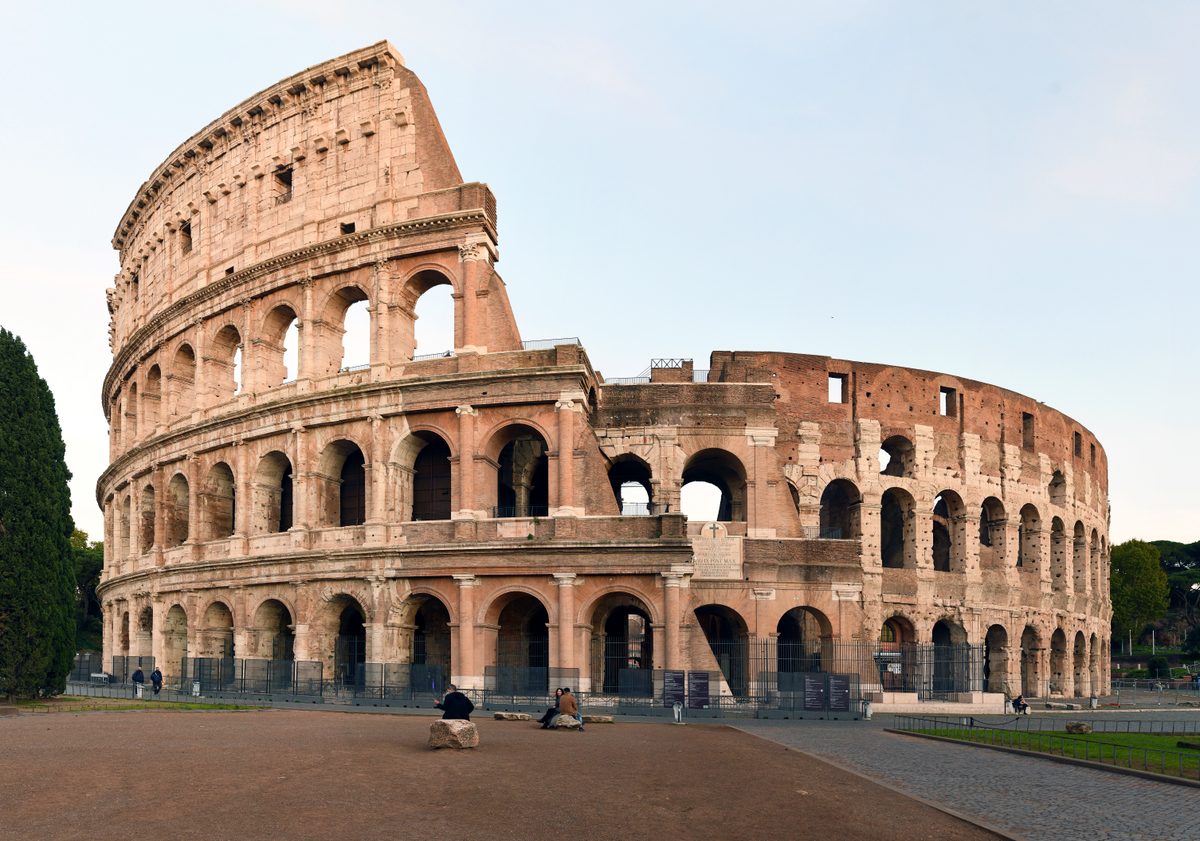
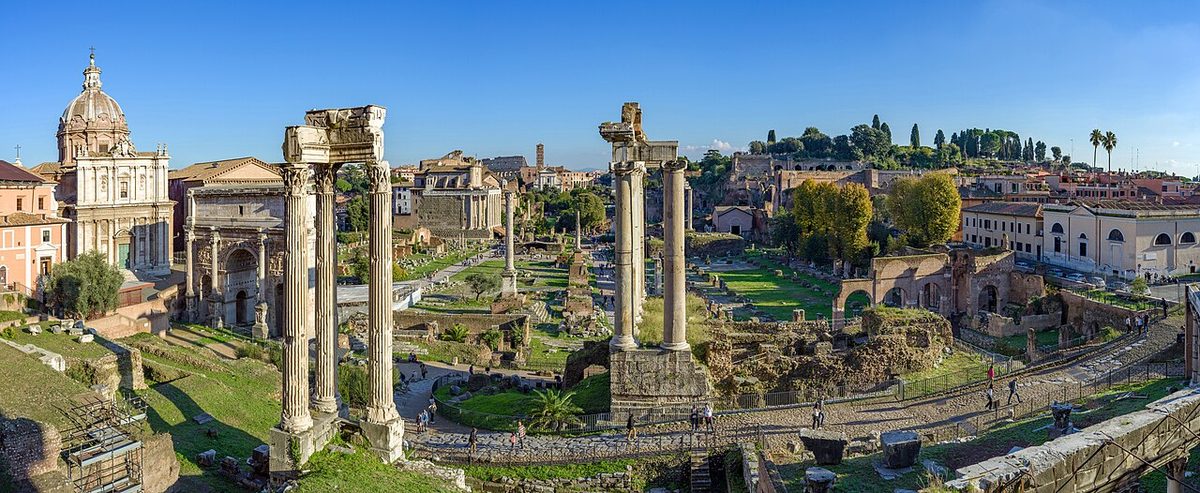
The current fountain was completed in 1762, after Salvi's death, with Giuseppe Pannini involved in its completion. It belongs to a different Rome from the ancient amphitheatre and temples elsewhere on this map. Moving between these places means moving between layers of the city, rather than visiting one single historical moment.
Try a little attention game. First, choose one smooth surface. Then find a rough one. Then find a place where the water catches the light. Move through those three details slowly. The scene has a lot to offer even if you do not know the names of every figure.
The return-to-Rome story around the coin toss is part of the fountain's popular life. A place can have an architectural history and a social ritual at the same time. Neither requires you to take the perfect photograph.
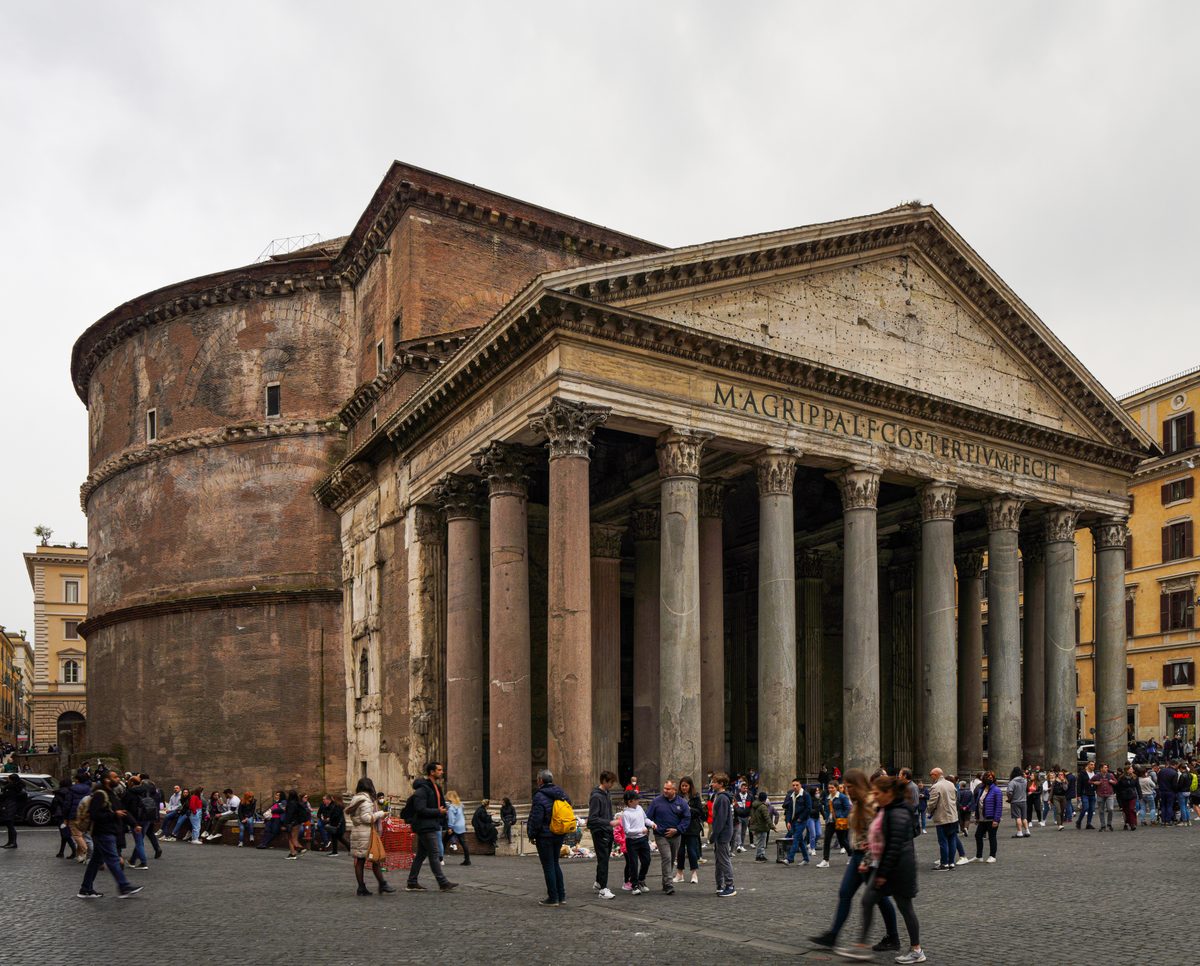
Before your next detour, ask yourself which part you would describe to a friend: the noise, the figures, the backdrop, or the colour of the water. That is the beginning of your own guide to the place. The Pantheon nearby offers a quieter contrast: there, light and a single opening take centre stage.
 🏛️
🏛️ ☀️
☀️ 💦
💦 ⏳
⏳ 🏰
🏰