A stadium with a very long memory
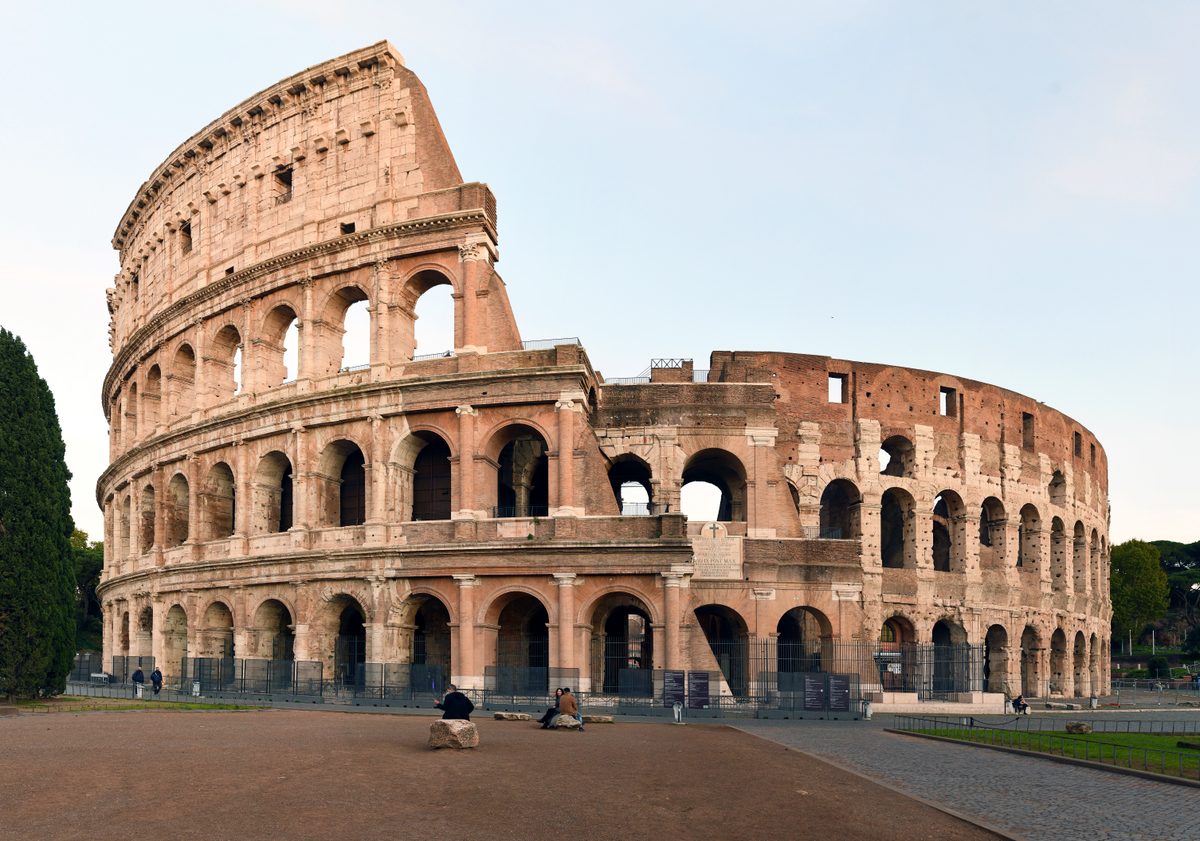
Imagine the noise before you look at the stone. Thousands of people, an arena at the centre, and an emperor making sure everyone remembers who paid for the show. This is the Colosseum, built by the Flavian emperors in the first century CE. Gladiatorial contests and animal hunts made it a stage for both entertainment and power.
The arches are your first clue to the organisation behind the spectacle. This enormous building had to move a crowd, seat it, and keep the action flowing. Its familiar nickname came from a colossal statue that once stood nearby.
Here is the little shift to take with you: this was a working machine before it became a beautiful ruin. Look through one arch and imagine the people arriving. That is where the story begins.
Look beyond the arena
Let your eyes follow the repeated openings along the outside. They turn a huge wall into a rhythm: solid stone, open air, solid stone, open air. Pick just one arch and trace its curve. Then look at the next. You are seeing a pattern scaled up to the size of a landmark.
For a slower look, follow three layers of the picture: the overall oval, the rows of arches, and the texture of a single surface. Each asks for a different distance. From far away you see a shape. Closer in you see repetition. Closer still, the grand landmark becomes material you could almost touch.
Try comparing it with a stadium you know. Think about entrances, queues, sightlines, and the moment a crowd reacts together. That comparison is a way of imagining the experience, rather than a claim that the ancient games were like modern sport. The spectacle here included real suffering. The engineering and the violence belong to the same story.
Notice the broken profile too. The monument you see today has changed through centuries of use. Its later lives included a source of building material, workshops, and homes. It was never simply switched off and left untouched.
If you are here in person, give yourself a moment to look away from your screen. Choose a patch of pale stone, a dark opening, and the sky above it. If you are exploring from home, zoom into the photograph and make the same comparison. You do not need to memorise a timeline to begin noticing more.
The life after the applause
Now imagine the same building with people using its spaces for ordinary work rather than a huge performance. The official archaeological park describes its medieval and later use by craftspeople, residents, and animals. That change makes the ruin feel less like a frozen illustration and more like a place repeatedly adapted to new needs.
One useful question to keep is: what survives when the original purpose disappears? Here, the answer includes structure, memory, and the ability of an enormous building to take on new meanings. The missing pieces are part of that conversation. You are not looking at a perfect reconstruction.
Take a final slow glance from bottom to top. Find a detail that did not catch your attention at first: an edge, a shadow, or a change in the stone. Give it a few seconds. That tiny observation is yours, and it may stay with you longer than a list of facts.
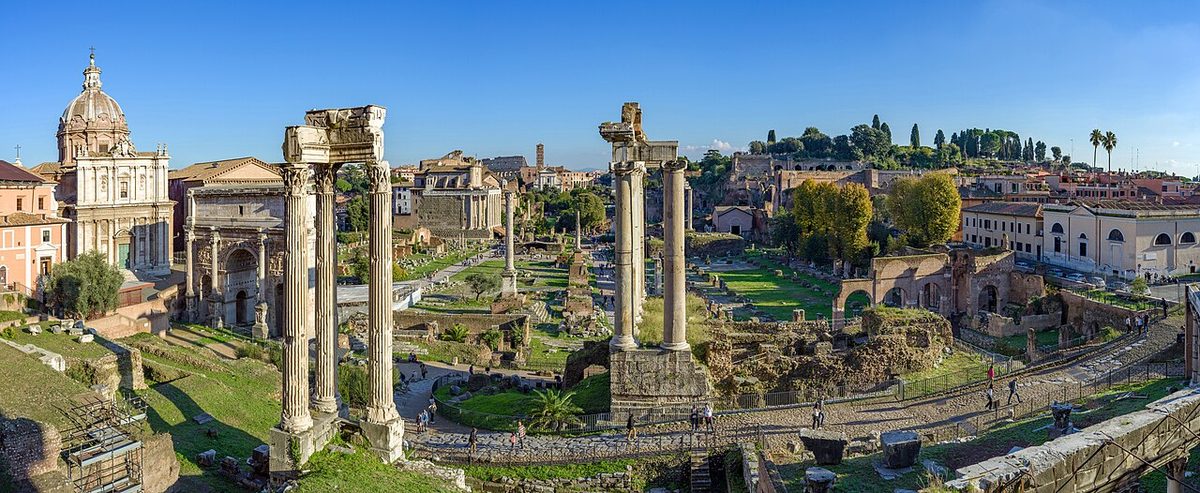
The Roman Forum is another story on this map. There, the focus changes from a single building and its audience to the spaces where public life happened. Open it when you are ready for the next detour.
 🏛️
🏛️ ☀️
☀️ 💦
💦 ⏳
⏳ 🏰
🏰