Put the people back in the picture
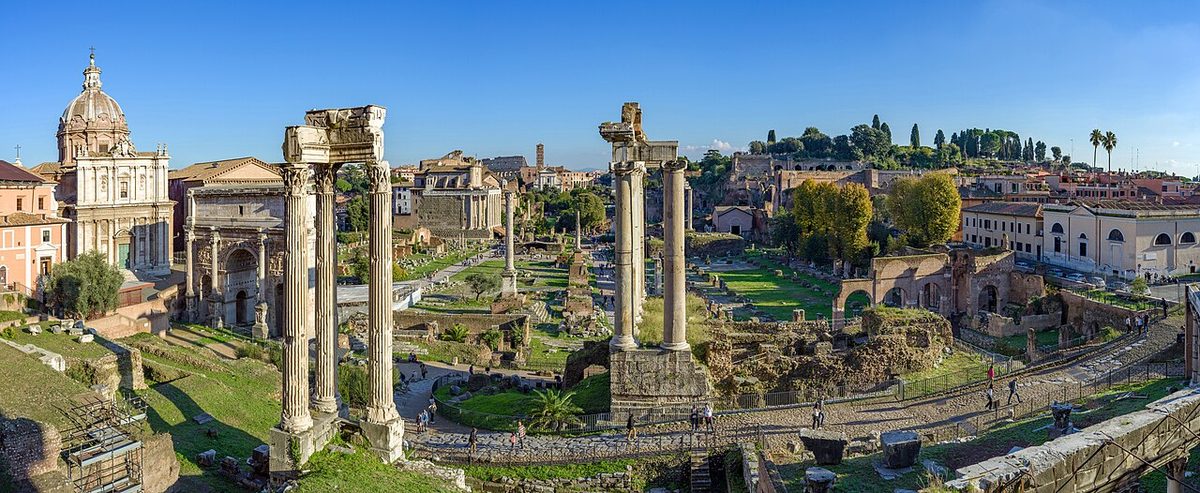
The Roman Forum can look like a puzzle with most of its pieces missing. Try putting people back into the picture before you try naming every ruin. This valley between the Palatine and Capitoline hills became a centre of public life: politics, business, religious activity, and ceremony shared its spaces.
Temples, meeting places, basilicas, and arches gathered here across different periods. A Roman basilica was a building for public business, rather than necessarily a church. The ruins are not all from one moment or one ruler.
Look for three things: an upright column, an open patch of ground, and a path between buildings. Imagine what each would mean to someone passing through a busy centre.
Your small takeaway: this is a neighbourhood of history, not a single monument. The gaps matter because they help you imagine the spaces between people and buildings.
A city centre in layers
Choose the most complete-looking structure in the view, then compare it with something that survives only as a fragment. Your eyes may jump toward columns because they are easy to recognise. Try giving the lower walls and open ground the same attention. They help you imagine the shape of the space.
The official tourism account describes the Forum growing into a centre of civic activity and then gathering prestigious monuments under successive emperors. One example is the Arch of Septimius Severus, erected in 203 CE. The different additions make the place a layered record rather than a neat set of matching buildings.
A helpful way to explore is to ask a small question of each area: was this a space to meet, to move through, or to look toward? You will not be able to answer every question from a photograph. That is fine. Curiosity is more useful than pretending the ruins are instantly obvious.
If you are visiting, pause where you can do so without blocking a path. Pick a nearby detail and a distant one. Move your focus back and forth. The contrast makes the scale easier to feel.
If you are exploring from home, imagine the photograph with a crowd in it. Not a dramatic film scene, just people walking, waiting, and going about their day. The ordinary part of history belongs here too.
What a ruin lets you do
For the longer story, change the task. Instead of trying to collect every building name, follow a route through the picture. Choose an entrance, an open space, and a landmark you could use to orient yourself. Notice how quickly you start making a mental map. That is a small connection with the people who once navigated a much fuller place.
The Forum's association with Roman public life can make it sound as if it was all grand speeches and formal ceremonies. But a civic centre is also made of movements between its important moments. Someone arrives early. Someone waits. Someone has other business to do. Those imagined everyday scenes are prompts, not claims about a particular event.
Look again at the fragments. Missing roofs and walls expose relationships that would have been harder to see in a complete city. You can sometimes look across several spaces at once. At the same time, the missing material makes interpretation difficult. Both things can be true.
Give yourself one minute of looking without reading. Find the tallest vertical, the longest horizontal, and the deepest shadow. Use those details to describe the view in your own words. You do not need an expert vocabulary to have paid attention.
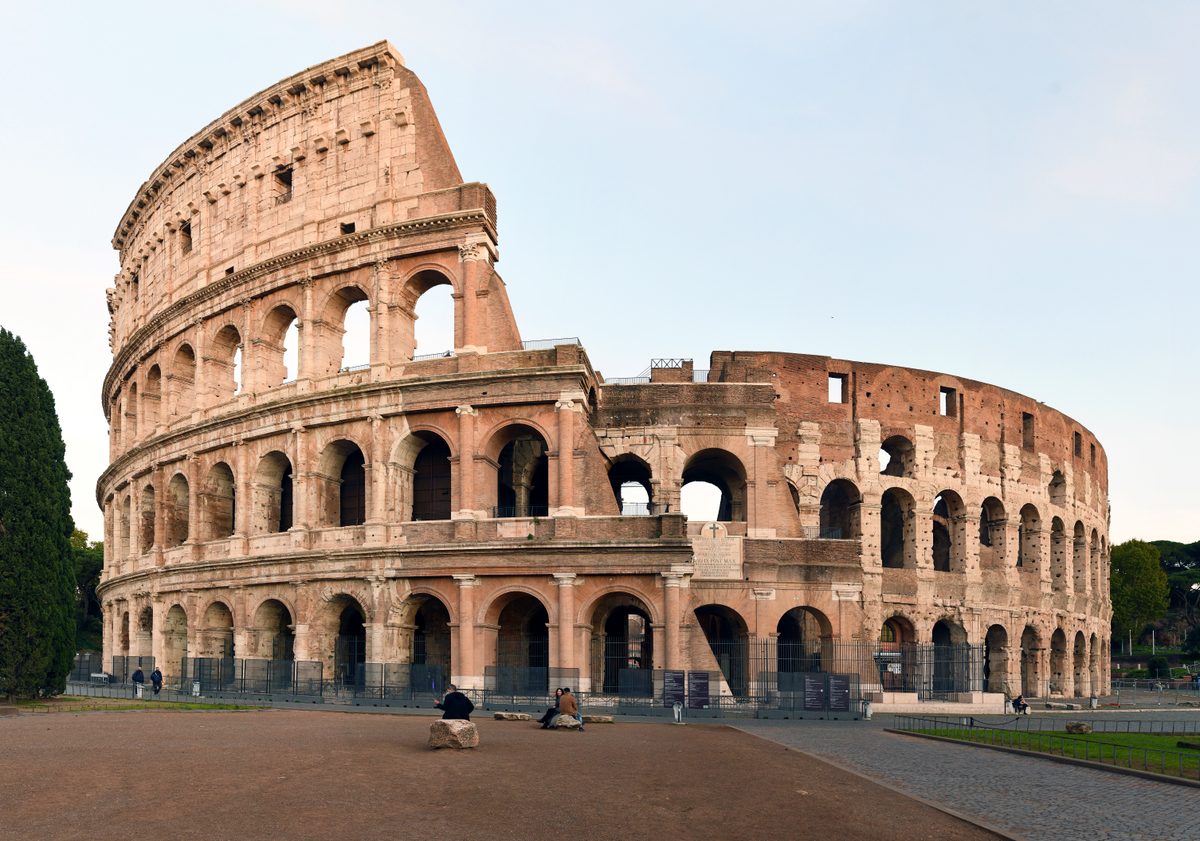
The Colosseum is another stop on this map. It offers a useful contrast: one huge structure built around an audience, compared with this cluster of spaces where public life unfolded. Keep that difference in mind as you move between the two stories.
 🏛️
🏛️ ☀️
☀️ 💦
💦 ⏳
⏳ 🏰
🏰