A craft street with a diplomatic name
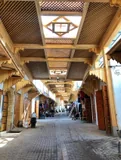
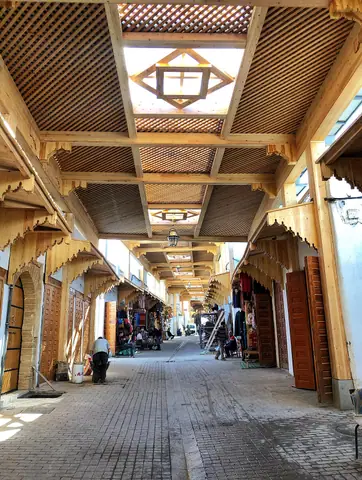
Rue des Consuls is one of the medina's principal craft-shopping streets. Its name recalls foreign diplomatic representatives who lived here; its present activity includes carpet, jewellery, leather, textile and other craft businesses.
The historical connection is more serious than the attractive storefronts alone suggest. Rabat's official visitor literature relates the consular presence to the region's maritime corsair economy, including negotiations over people taken captive and held for ransom. That history should remain visible without turning captivity into a colourful adventure story.
For the current street, choose one object you want to understand better. Ask how it was made and where it came from before accepting a broad claim of authenticity. The national tourism office particularly identifies Rue des Consuls with Rabat carpets and silver jewellery. A seller can explain an individual piece; a street name cannot certify every item on sale. That combination of historical connection and careful present-day looking makes this a distinct visit within the wider medina.
Why diplomats lived beside commerce
The consular name records a period when relations between foreign powers and the coastal cities involved trade, maritime conflict and the recovery of captives. Diplomatic residence was connected with practical negotiations, not simply with ceremonial representation.
Keep that setting clear without assuming that every surviving façade belonged to a particular consulate. An identified building needs its own evidence. The street preserves a historical association even where an individual doorway cannot be assigned confidently.
What matters here is that the pleasant shopping street had connections beyond the local market. Diplomacy and commerce belonged to a coastal setting in which movement across the sea could also mean coercion and captivity.
A carpet has a surface and a making history
The national tourist office highlights Rabat's carpets among the crafts associated with Rue des Consuls. That gives you a specific line of enquiry without needing to become an expert before entering a shop.
If invited to examine a piece, ask about its material, production method and origin. Look at the relationship between its face and reverse and at how an edge is finished. Different techniques and materials produce different objects, and their differences deserve explanation rather than a single ranking from real to fake.
A trader's account is information about the piece they are offering. If provenance or age matters to a purchase, ask for clear supporting documentation. The appearance of an old building does not establish the history of an object displayed inside it.
There is no obligation to buy in order to learn one useful distinction. Be clear about whether you are browsing, and respect the time involved if a seller is preparing a substantial presentation.
The street gathers crafts; it does not make them all here
Official visitor information lists a wide range of goods, from pottery and leather to jewellery and metal lamps. Their presence demonstrates the street's role as a place of sale and exchange. It does not prove that every stage of production happens on the premises.
That is an important difference when looking for craftsmanship. Visible work can show a process directly. A finished item needs an explanation from its maker, trader or documentation before its origin is clear.
Ask one focused question rather than requesting a complete history of Moroccan craft. How was this joint made? What creates this texture? Is the pattern woven, embroidered or applied? A precise answer gives you something to recognise in the next shop.
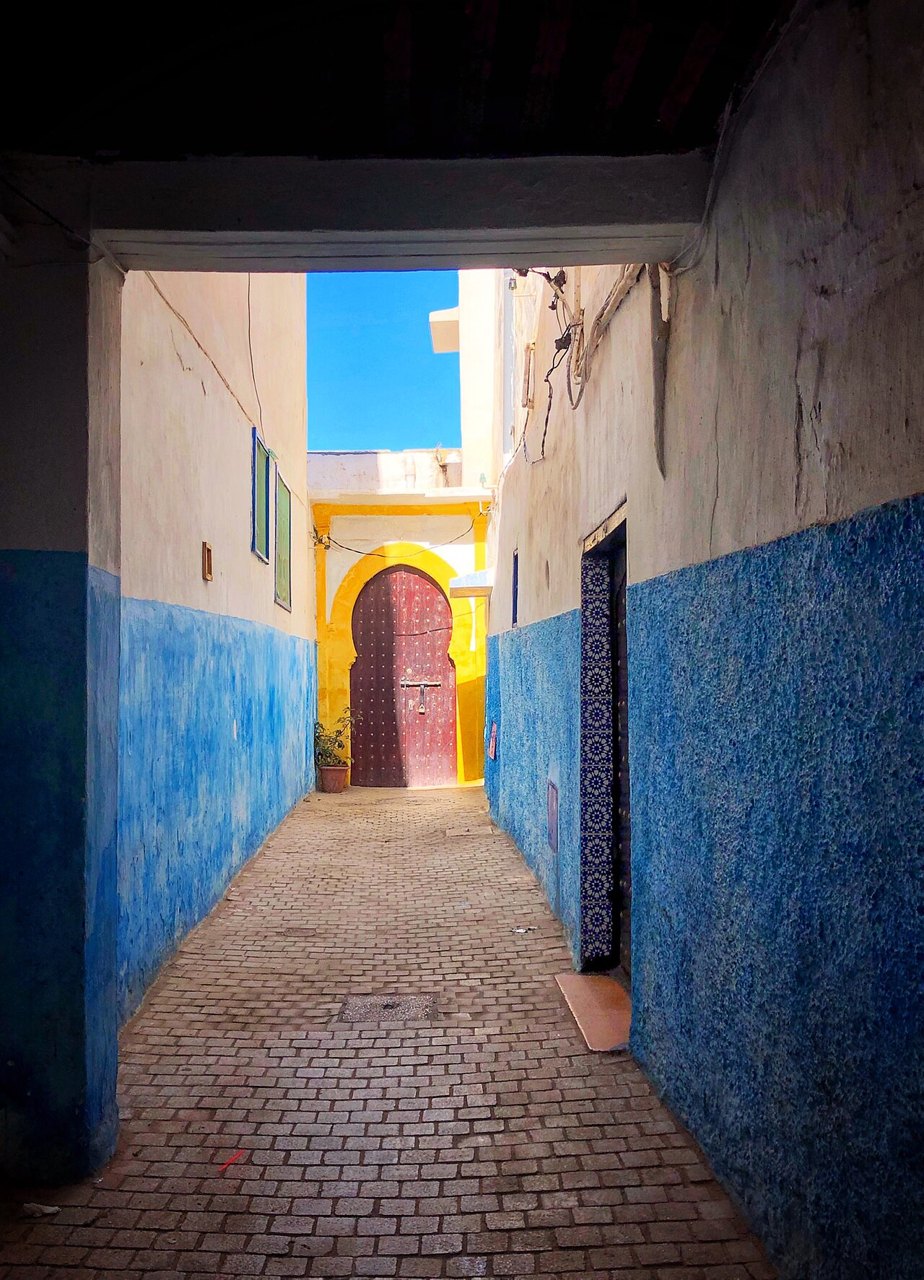
The street's arcades and façades also shape the shopping experience. Notice where a business opens towards the route and where a threshold separates public passage from private interior. The historic setting is part of the visit, not permission to enter every courtyard.
Souks within the medina have their own emphasis
Rue des Consuls belongs to a wider network that includes streets such as Souika and Souk Sebbat. The visitor office describes different concentrations of goods across that network, rather than one uniform shopping zone.
Nearby Souk Tahti is associated with carpets and other craft sales. It offers a useful continuation if you want to compare goods and explanations between businesses.
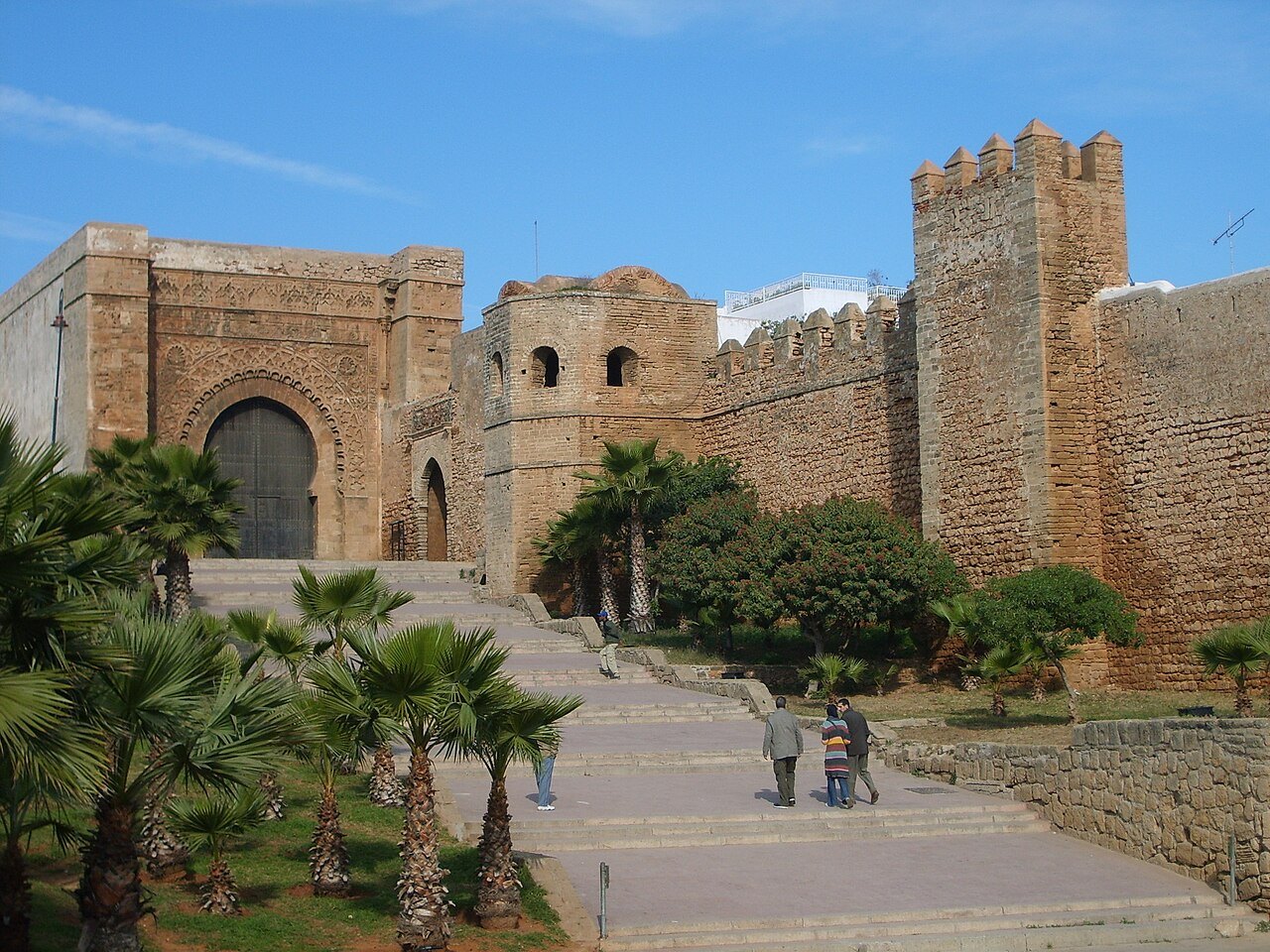
The Kasbah of the Oudayas offers another kind of setting close to the medina. Its residential lanes, fortifications and views should not be treated as an extension of every shop's selling space. Each part of the visit has different uses and boundaries.
A useful question is a better souvenir than a sweeping claim
Leave with one thing you can now distinguish: a material, a technique, a regional connection or the difference between making and selling. Keep the consular name alongside that present-day memory.
The street then holds more than a picturesque market scene. It connects Rabat's maritime and diplomatic history with businesses operating now. The diplomatic past and current businesses give the same street different relationships with the world beyond Rabat.
 EXPLORE THE CITYRabat city guideRead the city guide ↗
 ☀️
☀️ ☀️
☀️ ☀️
☀️ ☀️
☀️ ☀️
☀️ ☀️
☀️ 🏛️
🏛️ 🏛️
🏛️ 🏛️
🏛️ 🏛️
🏛️