Ancient objects found in Morocco, not only in Rabat
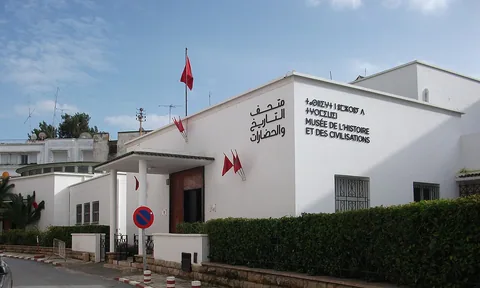
Rabat's Museum of History and Civilisations brings together archaeological material from across Morocco. Its collection follows a long chronology, from prehistoric objects through the ancient Mediterranean world to the Islamic periods. The museum's location does not mean that every object was found in the capital.
One of its best-known pieces is the bronze portrait identified as Juba II, king of ancient Mauretania. It was found at Volubilis in 1944. The face gives you an immediate connection with an individual, but the label's account of origin and identification is what turns that connection into historical knowledge.
Follow that distinction throughout the visit. Notice an object first, then find out where it came from, when it was made and what supports its interpretation. An attractive sculpture and a modest inscribed stone can reveal different parts of the same past. The museum works best when those parts are allowed to complicate each other, rather than when the whole collection is treated as one uninterrupted story of the modern nation.
The institution has a history too
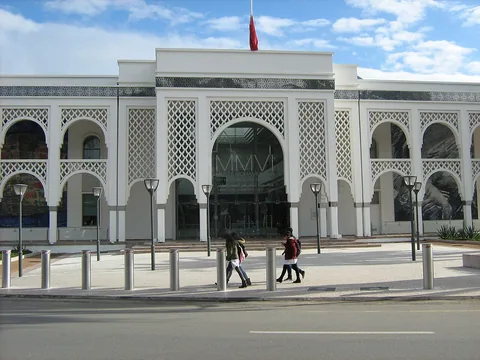
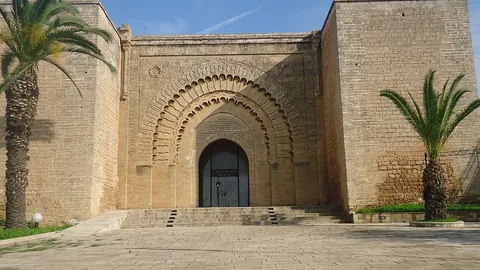
The museum's core building dates from the French Protectorate and was created for the antiquities service. Its collections grew from early twentieth-century archaeological work. A later renovation led to reopening in 2017 under the name Museum of History and Civilisations.
That institutional history matters because archaeology is carried out and displayed by people working within particular systems of authority. Excavation, collecting and classification shape the objects available to visitors and the stories told about them.
An ancient object's making, discovery, acquisition and identification are separate stages in its history. A gallery label can connect them.
Read a label with that sequence in mind. A findspot places an object in the ground; a date places its making in time; a modern attribution connects it with a person or use. The evidence for those claims may be different in each case.
Juba II: a portrait is also a presentation of power
The museum's published dossier describes the bronze bust of Juba II as an idealised work of royal presentation. It associates the object with a house at Volubilis and records its discovery in 1944.
The portrait is not a neutral equivalent of a modern identification photograph. A ruler's image can select how that ruler is to be seen. Look at the arrangement of the head, hair and facial features, then compare your impression with the label's explanation.
Ancient Mauretania is not the same place as the modern country of Mauritania. The similar English names can mislead a visitor. Here the historical context belongs to a North African kingdom with connections to Rome and the wider Mediterranean.
The sculpture's survival in Morocco is also important. Classical-looking objects need not be treated as foreign additions to a local story. The findspot gives them a place within the archaeological history of the region, while the form can show wider artistic and political connections.
Move from the famous face to an ordinary trace
After a major bronze, choose something less immediately impressive: a ceramic piece, a coin, a tool or an inscription. The museum's collection includes several kinds of material that can establish different aspects of life and exchange.
A coin can carry an official message while also being an object that circulated. A vessel's form can suggest use, but its material and find context are needed before a confident account can be made. An inscription can preserve a name or dedication that a sculpture alone cannot supply.
The contrast with the royal portrait is useful. Public images make some people highly visible. More ordinary remains can bring other activities into view, even when the people involved remain unnamed.
The chronology continues beyond Rome
The museum's programme extends into Islamic periods, with material such as coins, ceramics, scientific instruments and architectural elements. That continuation prevents the celebrated ancient bronzes from becoming the only reason for the institution to exist.
Different periods need their own categories and explanations. A change in political rule does not tell you automatically how every craft, settlement or religious practice changed. Labels can help establish the particular date and context of an object instead of leaving it in a broad category called medieval.
If inscribed stones are accessible in the courtyard presentation, compare the physical form of an inscription with the written explanation beside it. An object made to carry words also has material, scale and a setting. Translation supplies meaning, but it does not replace those visible qualities.
Do not assume that every collection item mentioned in an older guide is on view. Conservation, loans and gallery changes affect what can be seen. The current displays should lead the visit.
Bring the objects back to their places
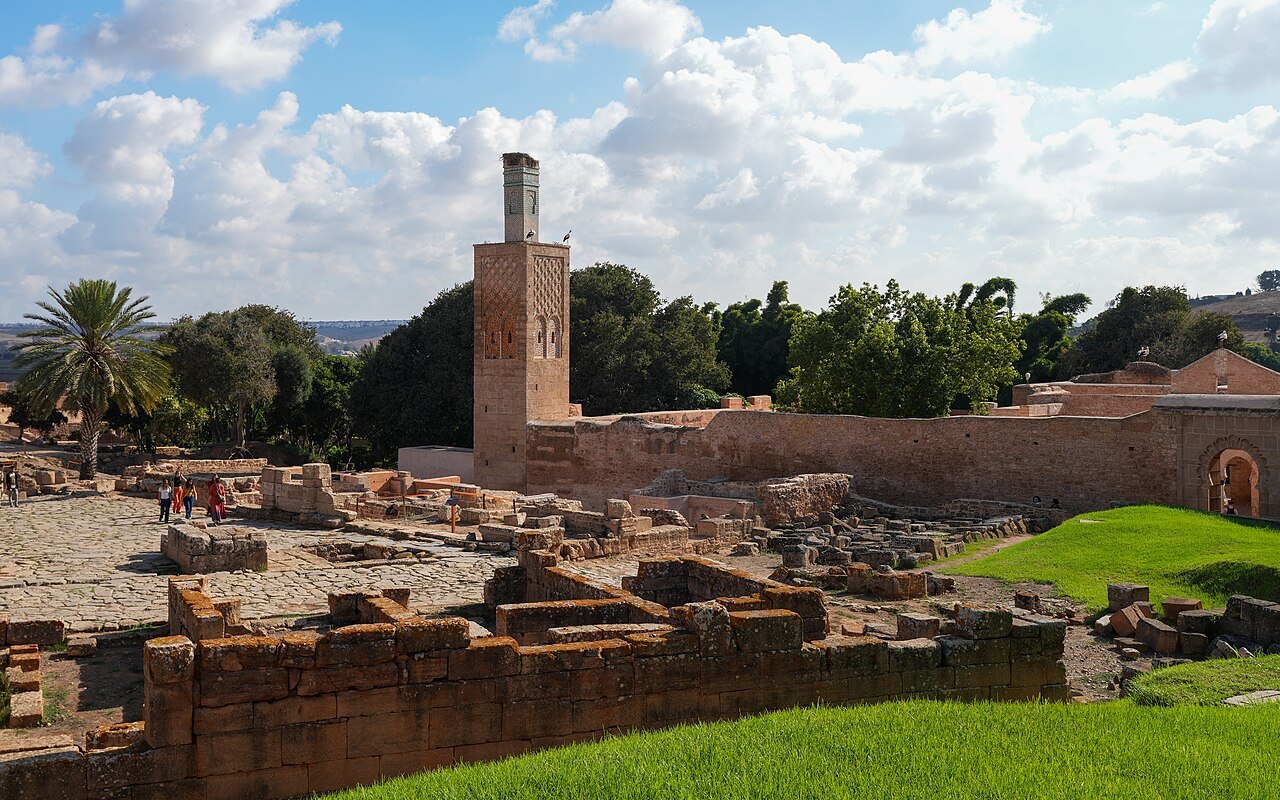
Chellah offers a useful companion in Rabat because it allows you to encounter surviving structures and the transformation of a site on the ground. The museum gathers objects and comparisons from a much wider geography. Neither is a substitute for the other.
If you later visit Volubilis, remember the museum portrait and its recorded findspot. If you do not, the label can still connect you with that place without pretending the gallery is the ancient house itself.
Leave with one object whose route you understand: where it was made or used as far as the evidence allows, where it was found, and how it came to be explained here. That route is part of what gives an archaeological museum its depth.
 EXPLORE THE CITYRabat city guideRead the city guide ↗
 ☀️
☀️ ☀️
☀️ ☀️
☀️ ☀️
☀️ ☀️
☀️ ☀️
☀️ 🏛️
🏛️ 🏛️
🏛️ 🏛️
🏛️ 🏛️
🏛️