Morocco's art did not stop at the old city walls
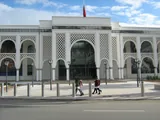
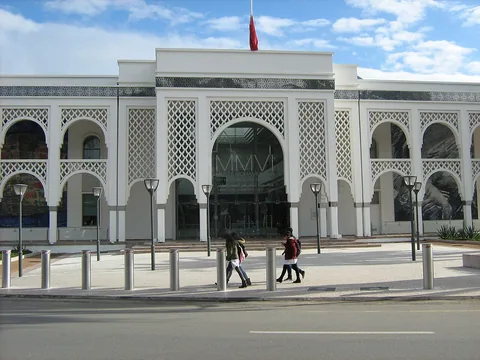
Rabat's Mohammed VI Museum of Modern and Contemporary Art offers a valuable change of perspective after the capital's historic monuments. Opened in 2014, it gives modern and contemporary creation a major national museum setting, including work by Moroccan artists and changing international exhibitions.
Begin with a material or a mark rather than a verdict. A painting, sculpture or work on another surface can make you ask how an artist chose to represent the world, or chose to work without representing a recognisable scene. The label then adds a name, date and context to what you have actually noticed.
The museum's accounts of Moroccan modernism include the Casablanca School and artists such as Farid Belkahia and Mohamed Melehi. Their work belongs to debates about what an independent artistic language could be. It should not be treated as a modern appendix to traditional craft or as an imitation of European art. Give one work enough time to make that question concrete, then let the rest of the visit build from it.
A national museum for a changing field
The museum's opening in October 2014 was part of the development of Morocco's national cultural institutions. Its collection and exhibition programme place Moroccan creation alongside exchanges with institutions and artists abroad.
The distinction between collection and exhibition is useful from the start. A work owned or held by a museum is not necessarily displayed at all times. A major international artist named in an account of past events may have appeared in a temporary exhibition that has ended.
Use the current programme to decide what you will see. The guide introduces the institution and some questions that make a visit rewarding; it is not a checklist promising the return of every famous work once shown here.
This approach also gives the Moroccan collection proper attention. A visitor should not have to wait for a familiar international name before considering the museum worth entering.
Casablanca artists asked who could define modernity
The museum's published account of Moroccan art describes the Casablanca School as an important movement in the decades after independence. Artists drew on sources including calligraphy, Amazigh signs, popular arts and local architecture while rejecting a simple hierarchy between those forms and academic fine art.
The question was more substantial than whether a modern painting looked Moroccan enough. It involved who could choose the sources and standards of artistic practice, and how inherited forms could be used in new work.
An abstract work can bring those questions into view without representing a landscape or portrait. Look at the organisation of colour, a repeated shape or the physical support. These visible choices give a starting point for understanding the artist's work.
The material can carry the argument
A museum press dossier identifies a 1993 work by Farid Belkahia made with henna pigment on skin mounted on wood. That description is worth pausing over even if the particular work is not displayed during your visit.
Material is part of an artwork, rather than a neutral container for its image. Skin, pigment, canvas, paper or metal each allows different handling and has different associations. The label can help you recognise a choice that a distant view misses.
If a Belkahia work is on view, examine the relationship between its support and its marks from the permitted distance. If another artist is represented instead, ask the same concrete material question without assuming the answer will be identical.
Give one work a second look
Choose a work that holds your attention and look before reading its label. Describe it to yourself plainly: where the eye goes first, what repeats and which area feels different from the rest.
Then read the name, date and material. Notice what that information changes. A work made at a particular political moment may invite questions that were not obvious from its appearance. An unexpected material may make you reconsider the image's weight or texture.
Look again. The second look lets the visible work and its context refine one another.
If you dislike a work, be specific about the difficulty. You can learn more from asking why a choice is there than from quickly categorising the whole room as incomprehensible.
Let this visit change the rest of Rabat
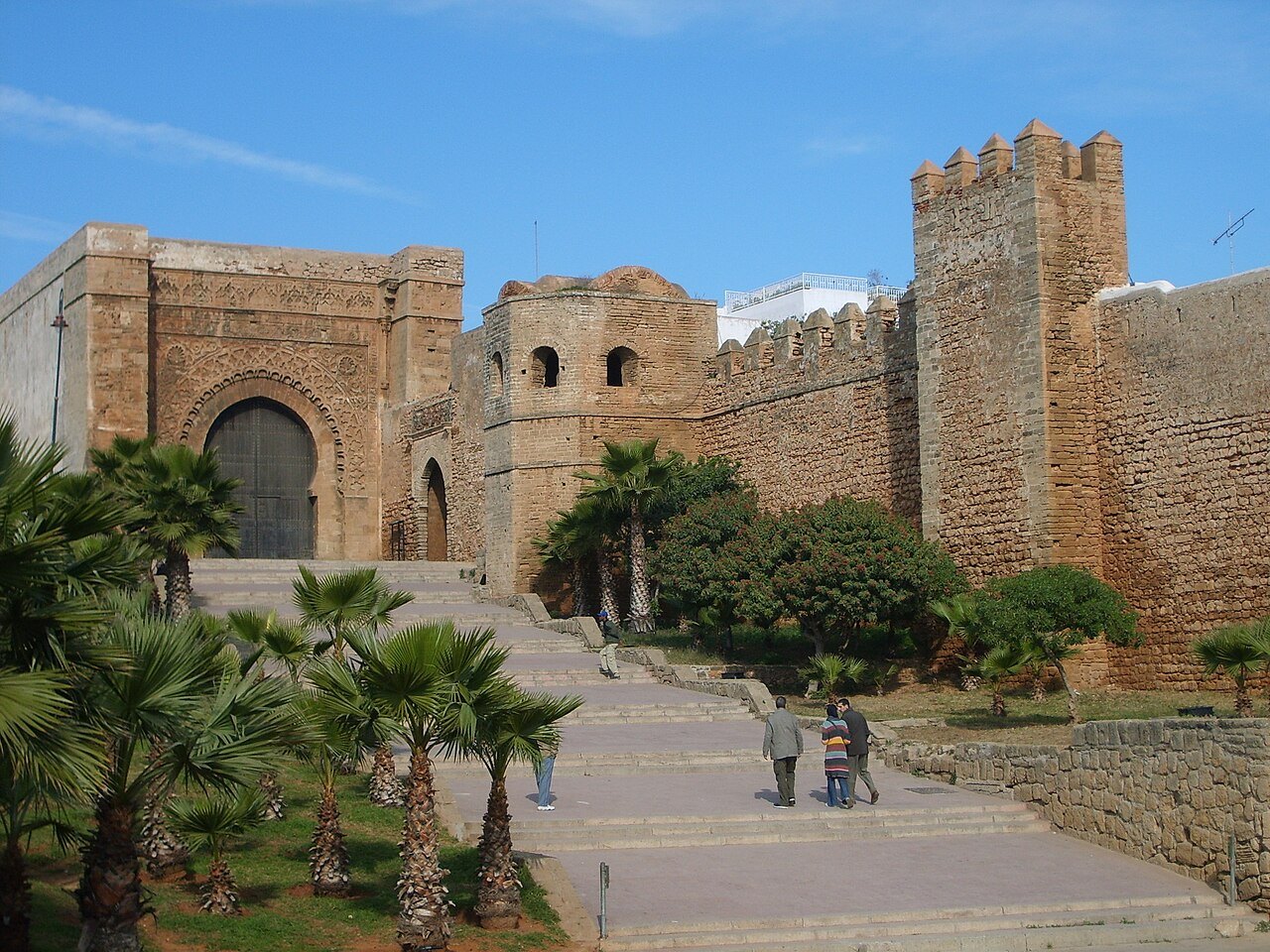
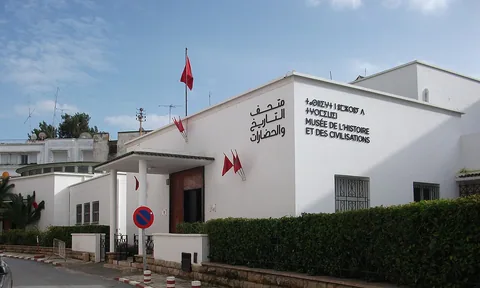
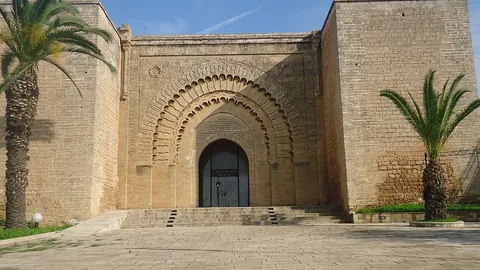
Bab Rouah offers a related encounter on a different scale: an older defensive gate now used for art exhibitions. The Museum of History and Civilisations follows archaeological material through a much longer chronology. They are separate institutions with separate visitor arrangements.
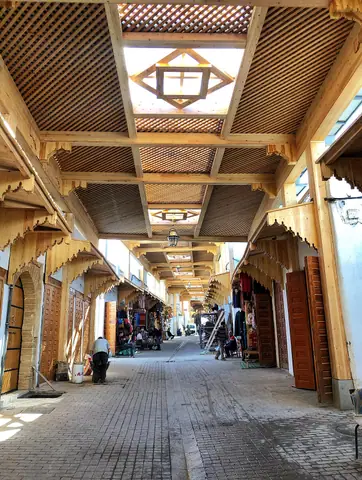
Together, these places help prevent Rabat from being divided too neatly into a historic medina and a modern administrative city. Cultural work continues in new museums and adapted monuments, using different forms to address the present.
Before leaving the Mohammed VI Museum, return to one work you can describe concretely. Keep the artist's name with the detail you noticed. That is a stronger memory than an assertion that Moroccan art is colourful or diverse, and a better beginning for recognising another work later.
 EXPLORE THE CITYRabat city guideRead the city guide ↗
 ☀️
☀️ ☀️
☀️ ☀️
☀️ ☀️
☀️ ☀️
☀️ ☀️
☀️ 🏛️
🏛️ 🏛️
🏛️ 🏛️
🏛️ 🏛️
🏛️