Why the name Ninja Temple needs explaining
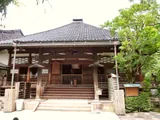
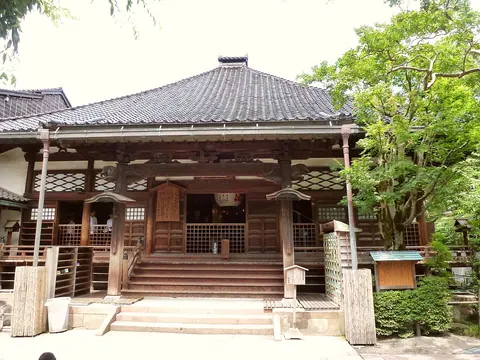
Myōryūji is commonly called the Ninja Temple because of its concealed stairs, defensive devices and complicated internal arrangement. The nickname is an introduction to the building's ingenuity, not evidence that it was a school or home for ninja.
The temple's history is connected with the Maeda family and the Kaga domain. Kanazawa's official visitor account explains that temples in the Teramachi area were considered as part of a defensive shield, and that Myōryūji acquired functions as a lookout and fortified refuge.
The most interesting question is therefore architectural: how can a religious building control what a person inside is able to see, reach or understand? A guided visit can reveal devices that a normal exterior view cannot explain. Use the current reservation arrangements, and follow the guide's route rather than testing mechanisms for yourself. The real building is more rewarding than a borrowed image of secret agents, because its unusual features belong to a specific local history of power, worship and preparation for danger.
A temple in the Maeda family's city
The Maeda rulers shaped Kanazawa as the centre of the Kaga domain. Myōryūji began as a place of prayer associated with that ruling house and later took on additional defensive functions.
The official account connects those functions with concern about a possible attack by the central Tokugawa government. The useful point is the relationship between the regional ruling house and the larger political order, rather than an invented record of a battle fought in these rooms.
Religious and defensive uses could coexist in the same building. One does not have to be dismissed as a disguise for the other. A temple could retain its identity while its arrangement also served the needs of a powerful patron.
During the tour, notice how a feature worked in ordinary circulation and what additional advantage it could provide in an emergency. A passage can have both an everyday use and a defensive one.
A plan can be difficult on purpose
In a familiar building, a staircase normally makes movement easier to understand. Concealed or unexpected routes can do the opposite for somebody who does not know the plan.
At Myōryūji, official visitor information draws attention to hidden stairs and other mechanisms. The experience depends on learning how the building is arranged, not merely on counting unusual objects.
When a route is explained, notice the difference between what you thought a doorway or level would do and what the guide shows it doing. That gap is the basis of the architectural ingenuity. Knowledge of the building gives its occupants an advantage over someone entering without it.
The guided visit is part of access
This is not a building to explore independently by trying doors. Official information requires advance arrangements, and visitor conditions cover admission, ages and the tour itself. Check the current instructions before planning the journey.
Language is worth checking too. The ability to make a reservation in English does not automatically mean the full spoken tour will be delivered in English. Confirm what explanatory materials or assistance are available for your visit.
The practical distinction matters because the building's story is largely inside its plan. Someone arriving without access may see the exterior without receiving the explanation that makes the defensive features understandable.
During a tour, follow the sequence and leave devices to the staff. A mechanism can be shown safely without every visitor operating it. Photography and other interior rules should come from the temple's current instructions.
Keep the nickname, improve the picture
The nickname is memorable and does useful work in helping people find the temple. The problem begins when it replaces the place's actual history.
A visitor expecting ninja training may interpret every feature through that story. A visitor who understands the Maeda connection can ask a more precise question about each room: how did this arrangement serve people with reasons to pray here, watch the surroundings or prepare for an attack?
That approach allows the tour to remain enjoyable without requiring a fictional cast. The tension between a familiar-looking religious building and unfamiliar internal routes already provides a strong subject.
Take one mechanism back into the city
After the visit, choose one explained feature you can describe without relying on a photograph. State what a stranger might assume, how the feature actually worked, and who benefited from knowing the difference.
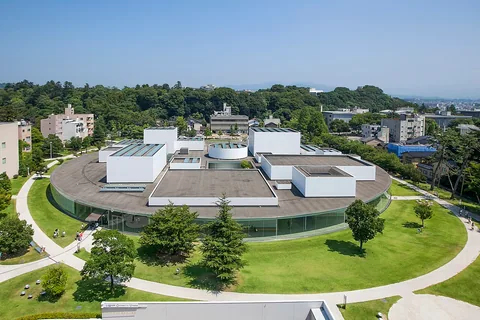
That small account captures Myōryūji's value. Around Kanazawa, entrances and layouts organise access in many ways, from castle approaches to the open perimeter of a contemporary museum. Here, knowledge of the interior is unusually important. The nickname now points back to a particular building and to the people who needed to know its routes.
 EXPLORE THE CITYKanazawa city guideRead the city guide ↗
 🌿
🌿 🌿
🌿 🌿
🌿 🌿
🌿 🌿
🌿 🌿
🌿 🏛️
🏛️ 🏛️
🏛️ 🏛️
🏛️ 🏛️
🏛️