A museum without one commanding front
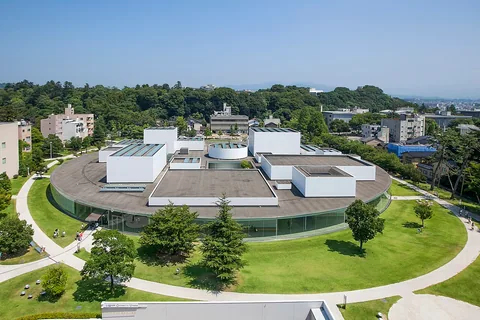
Kanazawa's 21st Century Museum of Contemporary Art is a low circular building designed by Kazuyo Sejima and Ryue Nishizawa of SANAA. Its glass perimeter and multiple approaches were intended to make the museum accessible from different directions, rather than announce one grand entrance.
The architectural idea is easier to grasp by walking part of the outside than by memorising its dimensions. Notice how the city remains visible through glass and how different people can approach the same institution without following one ceremonial route.
Inside, public circulation and exhibition areas serve different purposes. Openness of design does not mean that every room or artwork is freely accessible without a ticket or reservation. Use the current visitor map to distinguish them. The building gives you an engaging question before you even choose an exhibition: what changes when a museum is designed as somewhere to meet and pass through, as well as somewhere to look at art?
The circle responds to the surrounding city
The museum occupies a site approached from several streets. The architects responded with a circular plan and a deliberately low overall form. Instead of establishing a dominant façade, the building allows different points of entry to feel related.
Compare two approaches you can reach easily. The effect of the circle depends on how the glass perimeter, entrances and internal circulation work together.
The glass edge creates a changing relationship between inside and outside. You may see activity within while remaining on the grounds, or see the city from a circulation space. Reflection and transparency can overlap, depending on the light and your position.
The museum's own concept describes an institution open to the city like a park. Treat that as the design ambition and test it against what you notice. A public cultural building can welcome casual use while still controlling access to particular collections and events.
A circle outside, different rooms within
The museum's gallery spaces vary in size, height and shape. The overall outline does not tell you the form of every room inside it. Courtyards bring daylight into the building and help articulate the relationship between circulation and enclosed exhibition spaces.
This contrast is worth looking for on the visitor map. The simple perimeter contains a more varied interior. A route may take you around a gallery, past a courtyard and towards another kind of activity, rather than lead through a single sequence of equivalent halls.
Use a courtyard or public space as a point of orientation, then notice where it sits when you enter another room. The same reference point can connect otherwise different parts of the interior.
Keep current closures and event arrangements in mind. An architectural description explains the building; it does not guarantee that every route shown in an older photograph is available today.
The visitor is sometimes part of the work
The museum's grounds and collection include works that change with a person's position or participation. Its official floor-map information describes Florian Claar's Klangfeld No. 3 for Alina as a set of speaking tubes connected in pairs underground.
That is a different encounter from standing before a framed image. The physical connection matters: a voice can travel between openings that are not the adjacent pair a visitor might expect. If the work is open and instructions permit its use, follow those instructions and allow other visitors a turn.
Olafur Eliasson's Colour activity house offers another example. Coloured glass and overlapping views make movement part of seeing. Rather than looking for the single correct photograph, notice how a view changes as you shift position.
Plan around the exhibition you actually want
The museum separates exchange or public areas from exhibition areas. The former can be accessible without the same admission arrangements as the latter. Specific works may have additional access conditions, and temporary exhibitions change.
Before travelling for one famous installation, consult the museum's current information for that work. A photograph of an artwork at the museum is not a promise that its interior, viewpoint or interactive element is available throughout the year.
For a general visit, choose an exhibition or a few works you want to give time to. The circular building can encourage wandering, but wandering does not need to mean moving so quickly that no work receives attention.
A useful approach is to alternate. Spend time with one work, then notice how the route to the next affects your experience: a quieter corridor, daylight from a courtyard or a glimpse of the outside city. Art and architecture remain different subjects, but they meet in the visitor's actual movement.
Put contemporary Kanazawa beside historic Kanazawa
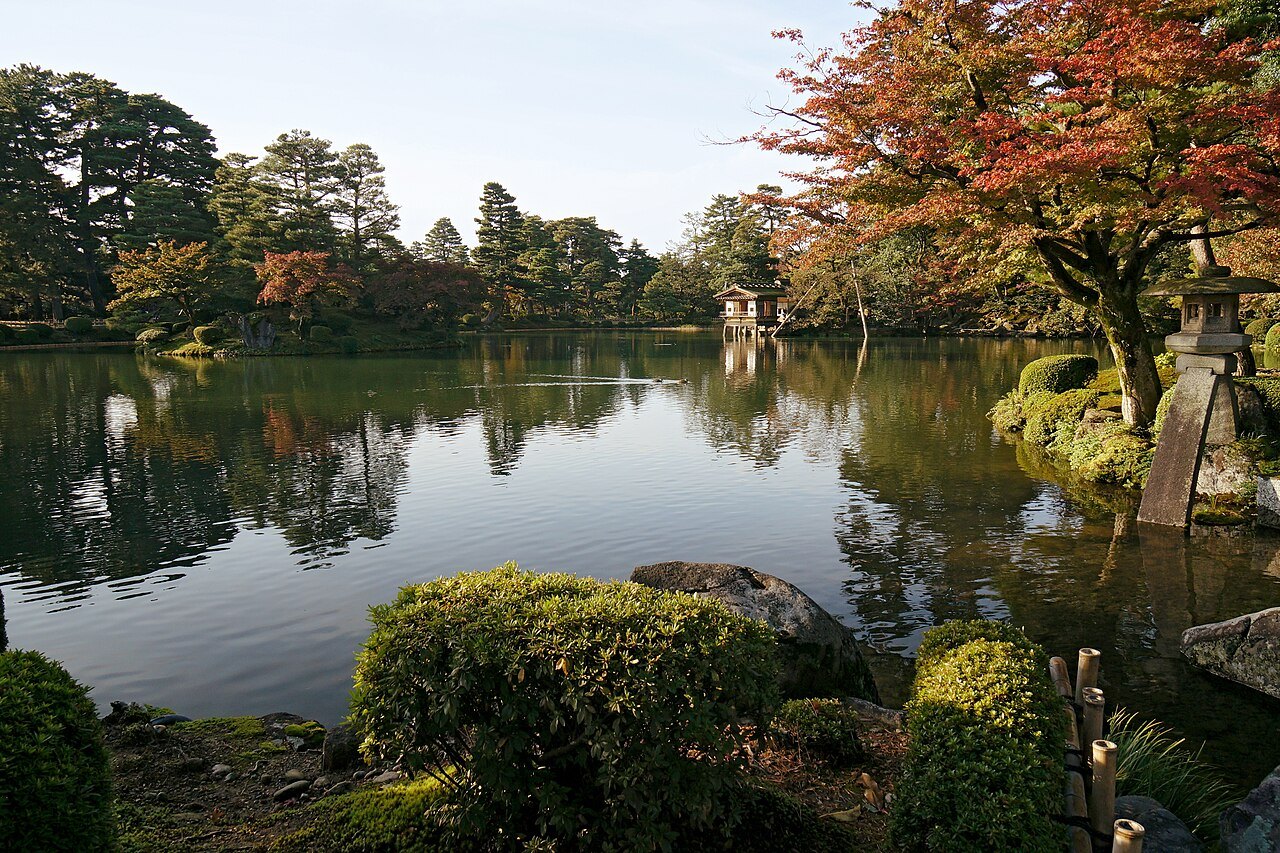
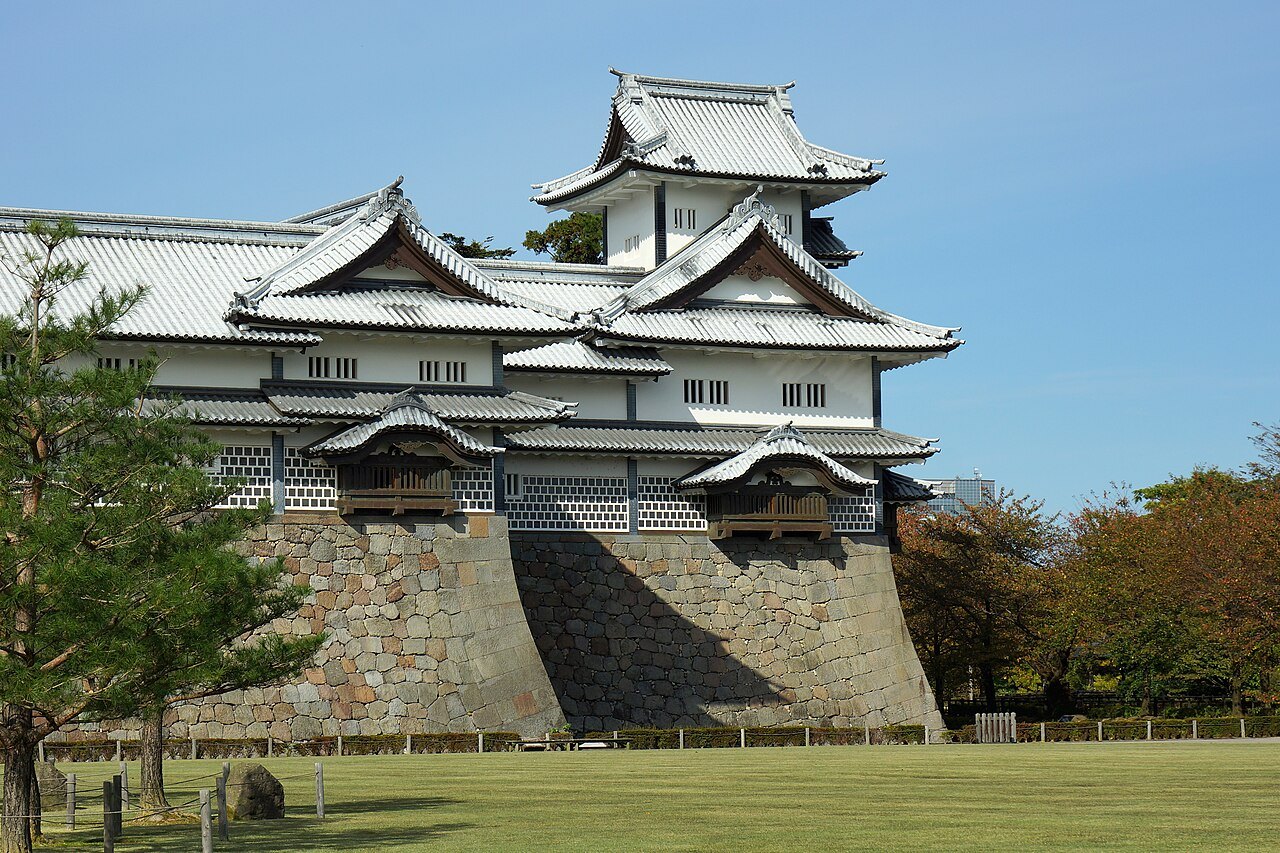
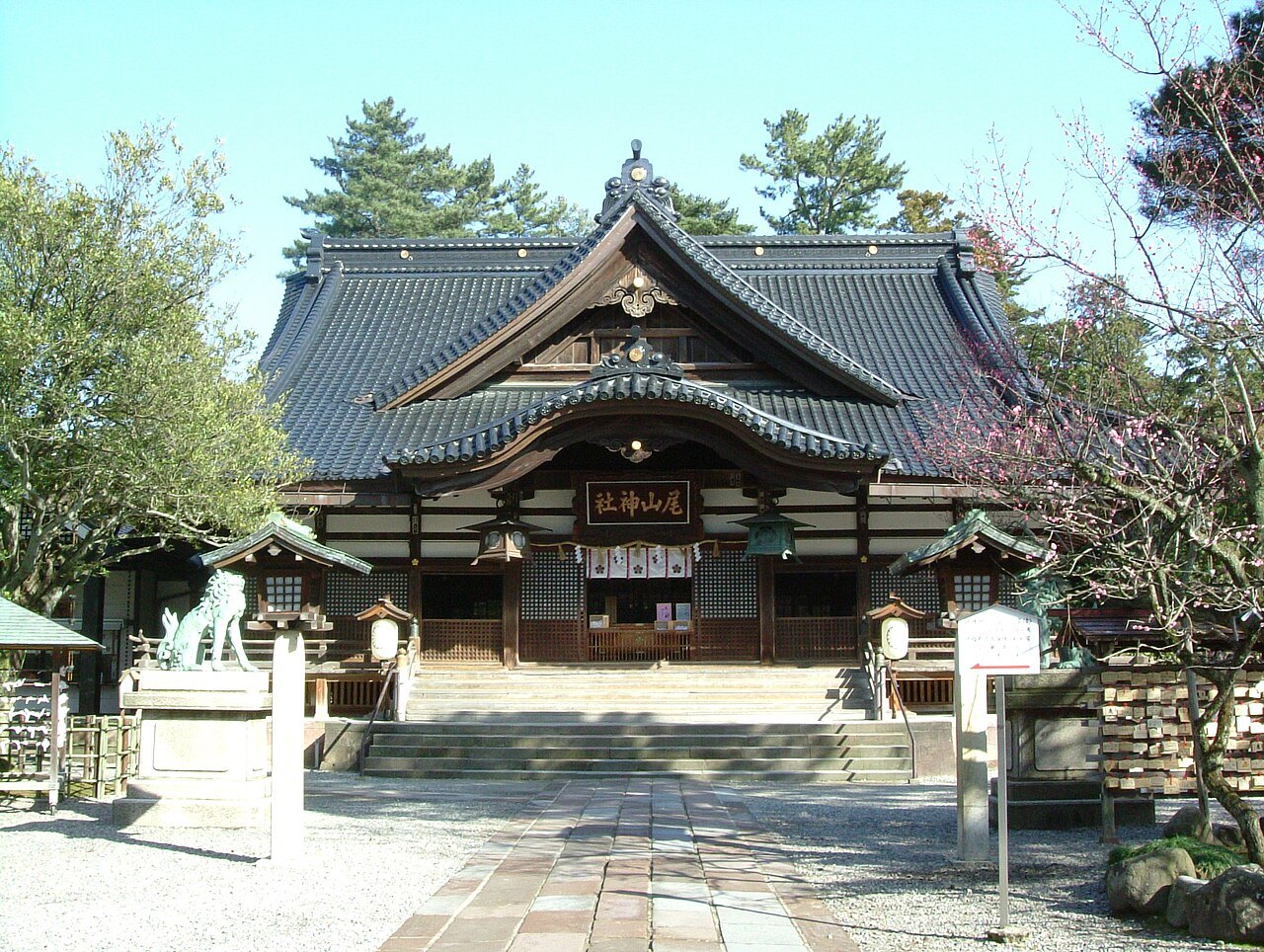
Kenrokuen and the castle offer stories of landscape, rule and later conservation. This museum adds a contemporary civic ambition. It belongs to the same city without needing to imitate its older buildings.
The comparison is especially useful at the level of entrances. A castle approach and a glass museum perimeter organise access in very different ways. You can notice that difference without pretending that either building has only one meaning.
When you leave, look again for the museum's front. The difficulty of choosing a single one is the point you can now explain. Its circle gives a cultural institution several ways to meet the city, while the rooms and programmes inside continue to offer quite specific experiences.
 EXPLORE THE CITYKanazawa city guideRead the city guide ↗
 🌿
🌿 🌿
🌿 🌿
🌿 🌿
🌿 🌿
🌿 🌿
🌿 🏛️
🏛️ 🏛️
🏛️ 🏛️
🏛️ 🏛️
🏛️